
You're not handing them over. You're handing them in to a wider circle.
The hardest part of moving a relative into care is the feeling of distance. Our homes work hardest in the first three months — making sure the family stays close, the routines feel familiar, and the home knows your relative as a person before a care plan.
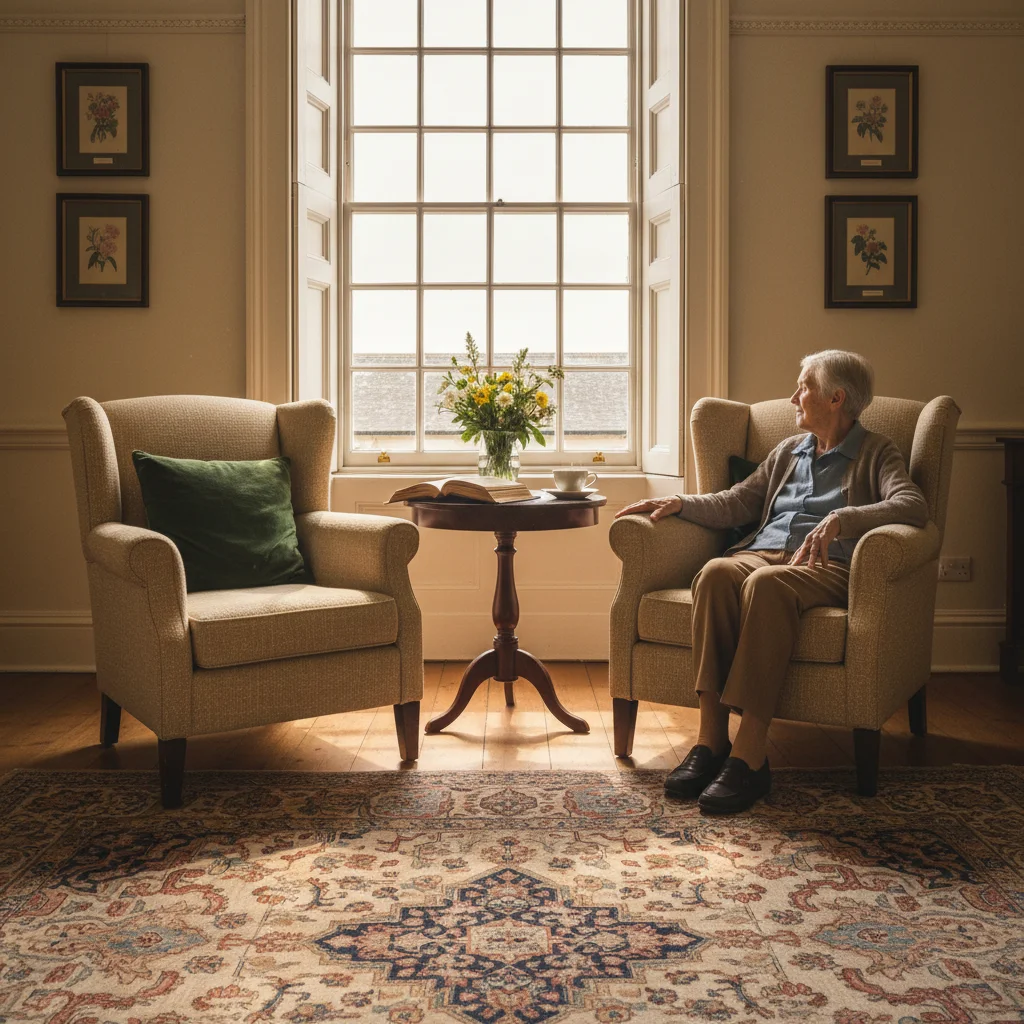
Small habits that hold the relationship.
Named key worker
Each resident has a named member of staff who learns their habits, history and preferences — and is the family's first port of call.
Open visiting
No appointment required during the day. Bring grandchildren, dogs (with notice), and Sunday lunch if you fancy.
Daily life record
Updated by staff each shift. Available to family at any time, plus a managed weekly summary.
Calls you can rely on
If something changes — a fall, a hospital trip, a medication review — the manager rings you in person, not by SMS.
Activities families can join
Sea Life Centre trips, Christmas at the home, summer fêtes — the calendar is genuinely shared.
End-of-life support
Residents stay with us through end of life wherever possible, with district nurses and family present in the room they know.
FAQs from family enquiries.
Have something we haven't covered? Call the manager of the home you're considering, or message us via the contact form.
Can we visit at short notice?
Yes. Our homes are open to family visits during the day, and we make a point of keeping it that way. A quick call ahead means we'll have the right manager free to walk you through.
Can a relative stay in their own room?
Of course — bring photographs, a familiar quilt, the lamp from their bedside. Personal furniture is welcome, subject to a brief health-and-safety check.
How do we know how someone is doing day-to-day?
Each home keeps a daily care record and a designated key worker. We don't bury changes in a portal — if something matters, the home manager calls you.
What about end-of-life care?
Many of our residents stay with us through end of life. We work alongside district nurses, GP teams and Macmillan to keep care continuous in the place a person already calls home.
What about the food?
Home-cooked meals from our own kitchens — three a day plus tea. Every home has a chef. Dietary needs (texture-modified, soft, vegetarian, religious) are managed in-house.
Will the same staff look after my relative?
We aim for continuity. Each resident has a named key worker, and we keep agency use to a minimum — staff who know the building and the people in it are the foundation of how this works.
Come and see one of our homes — bring your questions, and a relative if you can.
The best way to know whether a home is right is to walk through it on a normal weekday. No appointment is required, but a phone call ahead means we'll have the right manager to meet you.